


How to Glue a Mirror with Liquid Nails? Step-by-Step Guide
Liquid nails are a practical and strong solution for mounting mirrors, especially for decorative and functional purposes. However, applications done without knowing the correct techniques can quickly lead to the risk of the mirrors coming loose or falling off. This article details the step-by-step methods, tips, and points to consider when using liquid nails to attach mirrors.
Preparation Before Mirror Application
Surface and mirror preparation are crucial for successful bonding. First, the wall or surface to be bonded must be clean, dry, and dust-free. Dirt, oil, and moisture can significantly reduce the adhesion of liquid nails. If necessary, lightly sanding the surface to roughen it will improve adhesion.
Liquid Nail Selection
For mirror bonding, water-resistant and fast-curing liquid nails are generally preferred. This prevents overflow and slippage during installation and ensures long-term durability. For thick glass and large mirrors, support and the selection of the correct product are critically important.
Step-by-Step Application
- Mark the surface: Mark the area where the mirror will be mounted and check the alignment.
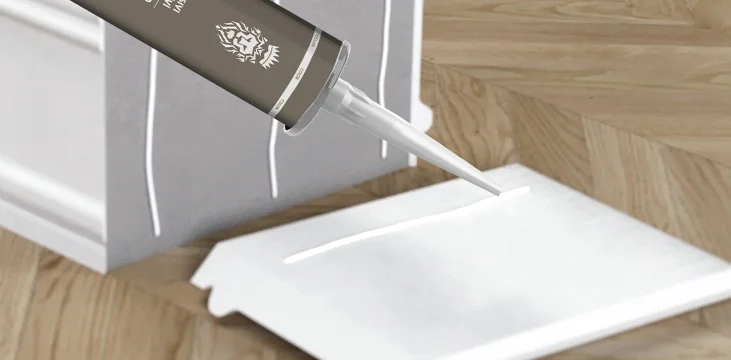
- Apply the liquid nail polish: Squeeze the liquid nail polish onto the back of the mirror in small dots or a zigzag pattern. Applying a thick layer may delay internal curing.
- Position the mirror: Gently press it down onto the surface and align it. Use support to prevent the risk of it falling.
- Hold it steady: Keep the mirror stable or support it with braces during the nail curing period.
- Clean up the excess adhesive: Immediately wipe away the excess liquid nail polish with a damp cloth.
- Allow time for curing: Wait for the manufacturer's recommended time for full durability.
Points to Consider
- Do not mount thick or heavy mirrors without using supports.
- For damp and outdoor applications, use a water-resistant formula.
- If the surface is smooth, apply light sandpaper to improve adhesion.
- Do not apply liquid nail directly to the glass; it is sufficient for the backing surface to be clean and dry.
- Don't force the mirror before the curing time is over.
Indoor and Outdoor Use
For indoor applications, standard or fast-curing liquid nails are usually sufficient. For outdoor or humid areas, water-resistant types should be preferred. Sunlight, wind, and temperature changes can affect adhesive performance, so installation should be done with the correct product and backing.
Application Tips
- Before attaching the mirror, clean all dust and grease from the wall and the backing surface.
- Avoid squeezing the liquid nail polish too hard during application; it may overflow.
- After placing the parts, apply gentle pressure to ensure full contact.
- Use temporary supports for large and heavy mirrors to allow the adhesive to fully cure.
- Allow the drying time; premature contact may weaken adhesion.
Conclusion
Liquid nail mirror mounting offers a safe and long-lasting solution with the right product selection and step-by-step application. Surface preparation, the correct amount of application, and the use of supports directly affect the success of the mounting. Its suitability for both indoor and outdoor use provides a practical and durable mounting method.
The information in this text may vary from time to time depending on the manufacturer. Always check the product label.


