


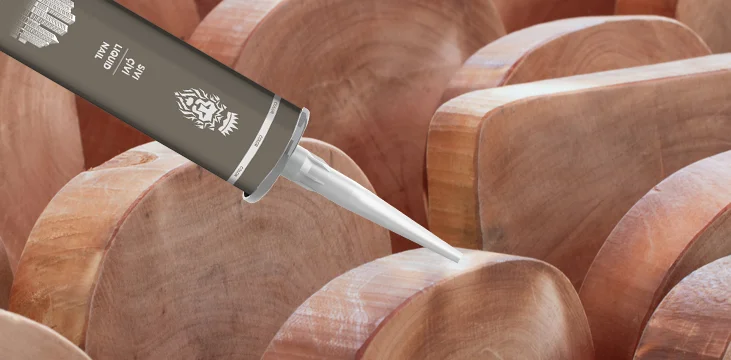
Is Liquid Nail Toxic? Health and Safety Information
Liquid nail is a powerful product frequently used for gluing in homes and workplaces. However, like any chemical product, it requires certain precautions regarding health and safety. This article details the toxic effects of liquid nail, safe usage methods, and necessary precautions.
Components and Toxic Effects of Liquid Nail
Liquid nail polish typically contains solvent or polymer-based chemicals. These components can have adverse health effects through direct contact or inhalation of high vapor levels. Eye and skin contact can be irritating, and prolonged inhalation may lead to headaches, nausea, or respiratory distress.
Recommendations for Safe Use
- Ventilation: When applying in enclosed spaces, open windows or use a fan. Ensure good air circulation to prevent vapor buildup.
- Protective equipment: Wearing gloves and goggles prevents skin and eye contact. Wearing a mask is recommended for sensitive individuals.
- Surface cleaning: Immediately clean up any sticky spills and prevent contact with skin.
- Keep away from children and pets: Safely limit the area of use.
- Storage: Store liquid nail polish in a cool, dry place away from direct sunlight.
Signs of Toxic Reactions
Symptoms that may appear in case of misuse or prolonged exposure include:
- Headache and dizziness
- Nausea or stomach upset
- Redness or itching of the skin
- Watery eyes, burning, or irritation.
- Respiratory tract irritation and cough.
What to do in an emergency
- In case of skin contact: Wash the affected area thoroughly with soap and water. If irritation persists, consult a doctor.
- In case of contact with eyes: Rinse eyes with water for 15 minutes and seek medical attention.
- Inhalation: Move to fresh air and call for medical assistance if necessary.
- In case of ingestion: Do not attempt to induce vomiting; seek immediate medical attention.
Differences Between Professional and Home Use
In professional applications, liquid nails with larger volumes and higher chemical concentrations are generally used. Therefore, protective equipment and ventilation measures become even more critical. For home use, less concentrated formulas are usually preferred, but basic safety precautions always apply.
Conclusion
Liquid nail is a strong and practical adhesive, but certain precautions are essential for its safe use. Toxic effects can be minimized with proper ventilation, protective equipment, and careful application. Always read the warnings on the product label and follow the safe usage instructions. Correct use ensures both a secure and durable bond.
The information in this text may vary from time to time depending on the manufacturer. Always check the product label.


