


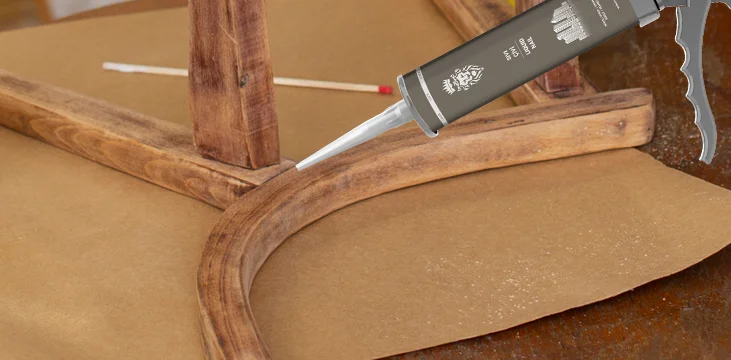
10 Biggest Mistakes People Make When Using Liquid Nails
Although liquid nails are a quick and convenient adhesive, incorrect application techniques and lack of preparation can prevent successful adhesion. This article details the 10 most common mistakes made when using liquid nails and how to avoid them.
1. Failure to Clean the Surface
The presence of dust, dirt, or oil on the surface to be adhered to will significantly reduce the adhesion of liquid nails. Cleaning the surface before application is the first and most important step for a strong and long-lasting bond.
2. Apply to a damp surface.
Damp surfaces prevent liquid nails from adhering and prolong drying time. Ensure the surface is completely dry before applying to wood, stone, or metal.
3. Using Too Much Product
Applying too much liquid nail polish can lead to smudging and uneven drying. Applying it in thin, even lines saves material and produces a cleaner result.
4. Inadequate Fixation
Allowing parts to move during the curing process weakens the adhesion. It is important to secure the parts with temporary clips, weights, or supports.
5. Eager to start the upload.
Liquid nail loses its adhesive strength if loaded before it is fully cured. The curing time must be observed, and parts should not be used until they are completely fixed.
6. Choosing the Wrong Surface
Not all surfaces are suitable for liquid nails. On very smooth or slippery surfaces, application may fail without prior preparation. Light sanding or primer may be required.
7. Ignoring Weather Conditions
High humidity, extreme heat or cold affect the performance of liquid nails. For outdoor applications, weather conditions must be considered, and application should be postponed if necessary.
8. Poor Mixing or Bottle Usage
Some liquid nail polish types require mixing. Incorrect mixing or leaving the bottle cap clogged will reduce the quality of the application. Always follow the instructions.
9. Failure to Take Protective Measures
Liquid nail application can involve odor and chemical exposure. Failure to take precautions such as wearing a mask, gloves, and proper ventilation increases health risks.
10. Avoiding Excessive Intervention After Drying
After the bonding is complete, forcing parts to straighten or remove them may damage the adhesion. If necessary, careful cutting or sanding should be done.
Conclusion
These 10 common mistakes are among the most frequent problems encountered in liquid nail applications. It is possible to avoid these mistakes with proper surface preparation, the correct quantity, fixing, and application techniques. Careful and informed use ensures both strong adhesion and prevents material waste.
The information in this text may vary from time to time depending on the manufacturer. Always check the product label.


