


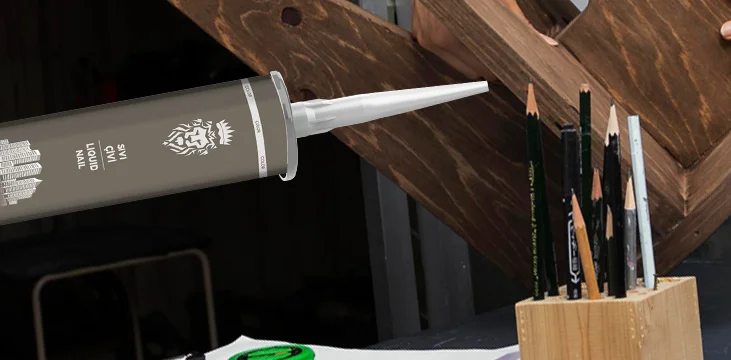
Wood Gluing Techniques with Liquid Nails
Liquid nails are a practical solution that provides fast and strong adhesion to wooden surfaces. They are used in many areas, from furniture repair to decorative wood projects. This article details the techniques for using liquid nails in wood gluing, the correct application methods, and important tips to keep in mind.
Wood Surface Preparation
Surface preparation is crucial for a successful bonding process. The surface must be clean, dry, and free of dust. Dirt, oil, or old paint residue can reduce adhesion. If necessary, you can improve the adhesive's bonding area by lightly roughening the surface with sandpaper.
Cleaning and Roughening
- Wipe the surface with a damp cloth to remove dust and dirt.
- Remove any old adhesive or paint residue.
- Lightly sand the surface to roughen it; this will help the adhesive adhere better.
Liquid Nail Application Techniques
Proper application in wood gluing increases durability. You can apply liquid nails directly to the surface or use them with linear and spot techniques.
Linear Application
- Apply the adhesive in thin lines to the areas where the parts to be glued will contact.
- Avoid excess material by ensuring even distribution across the surface.
- On large surfaces, cover the entire area with several parallel lines.
Point Application
- Spot bonding is suitable for small parts or decorative applications.
- Apply one drop of liquid nail polish to each contact point.
- You can use clips or clamps to secure the parts during the drying process.
Assembly and Fastening
After assembling the parts, securing them ensures a stronger bond. Align the parts by applying light pressure. For larger parts, you can use clamps or weights.
Fixing Time
- Small particles usually adhere quickly.
- For large or heavy parts, it is recommended to secure them until the drying time is complete.
- Keeping the parts still during the curing period increases the bonding strength.
Important Considerations When Gluing Wood
- Apply the adhesive carefully to prevent excessive overflow.
- Do not apply any load to the institution before its term is complete.
- Damp or oily surfaces can reduce adhesion.
- Do not fasten the parts without aligning them; correcting a wrong position can be difficult.
- If necessary, test the surface to determine the most suitable application method.
Conclusion
Liquid nailing for wood bonding, with proper application and surface preparation, provides both aesthetically pleasing and durable results. Secure adhesion is possible in your projects using linear or point application techniques. By paying attention to the fixing and drying times, you can achieve a successful installation.
The information in this text may vary from time to time depending on the manufacturer. Always check the product label.


