


Liquid Nails
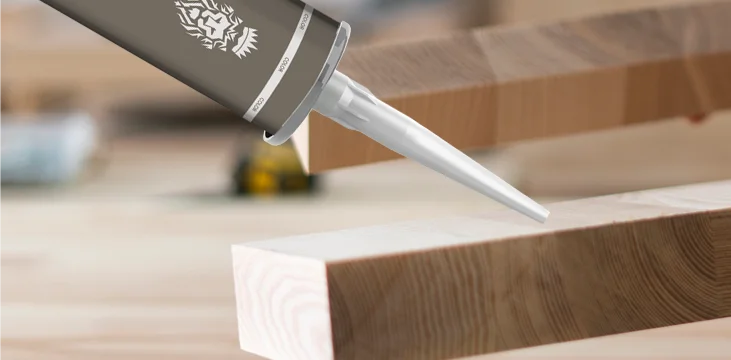
Liquid nail adhesive is one of the most preferred adhesives in the construction and repair industry, used to securely bond many different surfaces with its high adhesive strength. It is usually sold in cartridge form and applied with a nail gun. It provides fast, clean, and strong bonding on various surfaces. Therefore, it is an indispensable product for both professional craftsmen and home-based users.
This article will provide clear, understandable, and SEO-friendly answers to all the most frequently asked questions about liquid nails, such as what they are, where they are used, what they are for, and why they are so widely preferred. It has been prepared taking into account industry standards and general application experience in the field of construction chemicals.
What Exactly Is Liquid Nail?
Liquid nail, despite its name resembling a nail, is actually a special type of adhesive with high bonding strength. The name, meaning "as strong as a nail," perfectly describes its intended use. When applied to a material surface, it adheres quickly, drying to form a strong and durable bond.
This product is generally manufactured from solvent-based or water-based polymers. Solvent-based ones offer stronger bonding performance, while water-based liquid nails are odorless, more environmentally friendly, and more suitable for indoor use. Which type to use will be determined according to the requirements of the project.
Key Characteristics of Liquid Nails
What makes liquid nails so popular is their ability to quickly and effectively combine different materials. Below are the key features that users are most curious about:
- High adhesive strength: Provides strong adhesion to many materials such as wood, concrete, metal, ceramics, PVC, stone, and composite surfaces.
- Easy application: Because it is applied with a cartridge gun, it offers a clean, controlled and consistent bonding result.
- Vibration and shock resistance: Once dry, it forms a flexible but robust structure, resistant to movement.
- Filling properties: If there are gaps or irregularities on some surfaces, it can fill them, providing better adhesion.
- There are water-resistant versions: They can be used outdoors, in damp areas, or in bathroom and kitchen applications.
- Odorless options are available: Suitable for indoor use.
- It is long-lasting: Once applied, it forms a bond that can last for years.
What is Liquid Nail Used For?
Liquid nails serve to strongly bond two surfaces. Unlike traditional adhesives, they offer a higher load-bearing capacity, making them preferred for both light and heavy materials. They may eliminate the need for nails or screws on the applied surface. The ability to provide "hole-free mounting," especially in decorative applications, is a significant advantage for users.
It has a wide range of uses, from home repairs to professional installation jobs. Below you can find some of the most common usage scenarios:
- Installation of wooden panels on the wall.
- Ceramic and tile repairs
- Bonding of thermal insulation panels
- Securing the stair treads
- Polyurethane or PVC skirting board installation
- Securing accessories and decorative items.
- Bonding of metal profiles
Advantages of Liquid Nails
Liquid nails offer several advantages over other adhesives. In particular, their ability to save time and labor provides a significant advantage in the construction industry.
- It can replace staples, nails, and screws: ideal for those who want to assemble things without drilling.
- It delivers a clean job: It doesn't drip or spread during application.
- Provides quick adhesion: Some types stick to the surface within seconds.
- Compatible with most surfaces: Works seamlessly with concrete, wood, metal, glass, and many other materials.
- There are special versions for outdoor use: they can provide resistance to UV rays, humidity, and temperature.
Types of Liquid Nails
To help users decide which type of liquid nail polish to choose, it's important to know the basic types:
Water-based liquid nails
- It is odorless.
- Ideal for interior applications.
- It creates a flexible structure.
- It is more environmentally friendly.
Solvent-Based Liquid Nails
- Provides stronger adhesion.
- Suitable for outdoor use.
- It is more resistant to humidity and temperature.
The type to be used depends on the surface type, environmental conditions, and the desired level of durability.
On which surfaces can liquid nails be used?
Liquid nail has very low surface selectivity. This means it can be easily applied to many surfaces. The most commonly used surfaces are:
- Wood
- Concrete
- Drywall
- Brick
- Ceramic
- Metal
- Pine
- PVC and composite surfaces
It performs best on smooth, clean, and dry surfaces. Adhesion is reduced on dusty or oily surfaces.
How to Apply Liquid Nails?
Applying liquid nails is quite simple. However, to achieve a lasting result, it is recommended to carefully follow the steps below.
- Thoroughly remove all dust and dirt from the surface.
- Cut the tip of the cartridge and insert it into the gun.
- Apply the product to the surface in strip or dot form.
- Press the material onto the surface to adhere it.
- Provide support for a few minutes if needed.
Some products adhere very quickly at first, while others may require support for a few minutes. This time varies depending on the product's structure and environmental conditions.
What factors affect the holding time of liquid nails?
The curing time of liquid nails can vary depending on the product's chemical composition, the type of surface to be applied to, and the ambient temperature. Generally, initial adhesion occurs within a few minutes. Full curing, however, may take longer. The curing time may be extended in very cold or very humid environments.
Can liquid nails be used outdoors?
Of course, they can be used. However, the important thing here is to choose a product suitable for outdoor conditions. There are liquid nails that are resistant to water, UV rays, and temperature changes. These types are particularly preferred for facade cladding, exterior door installations, garden elements, and various outdoor decoration projects.
What precautions should be taken when using liquid nails?
- The surface must be clean.
- Applying too thick a coating can prolong drying time.
- Some types may have poor adhesion on damp surfaces.
- Heavy components need to be temporarily supported.
- It's easier to clean any remaining product from your hands before it dries.
Conclusion
Liquid nail is an indispensable construction chemical for both professionals and hobbyists, thanks to its strong adhesive performance, versatile applications, and ease of application. It can be safely used in many processes such as assembly, repair, and decoration both indoors and outdoors. When selecting a product, the surface type, environmental conditions, and desired strength level must be taken into account.
The information in this text may vary from time to time depending on the manufacturer. Always check the product label.


