


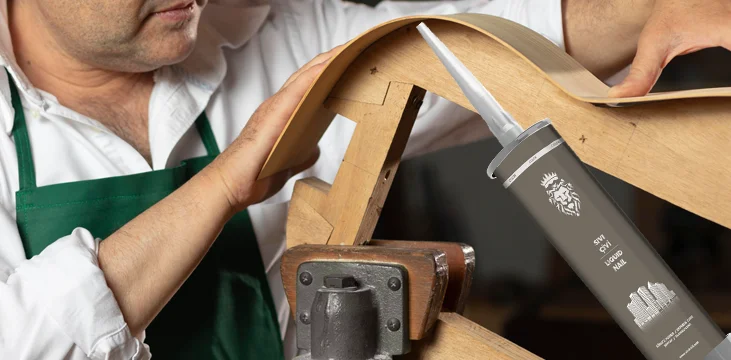
How to Clean Liquid Nail Residue? Effective Removal Methods
Liquid nail adhesive is known for its strong adhesion. However, if it overflows or is used in excess during application, it can leave residue on the surface. This article details how to safely and effectively clean liquid nail adhesive from different surfaces.
Cleaning Methods According to Surface Type
The method for cleaning liquid nails varies depending on the type of surface being cleaned. Different techniques are used for wood, glass, metal, ceramic, and plastic surfaces. Using the wrong method can damage the surface, so it's important to use techniques appropriate for the surface type.
Wooden Surfaces
- Gently scrape off any dried adhesive; a stiff spatula or plastic card can be used.
- If necessary, wipe away any remaining residue with a slightly damp cloth.
- The surface can be smoothed using wood sandpaper or fine sandpaper.
Glass and Ceramics
- Heat application: Soften the adhesive by heating it with a hairdryer, then wipe it off with a cloth.
- You can clean the residue with an alcohol or acetone-resistant cloth.
- Avoid sharp tools to prevent scratching.
Metal Surfaces
- Dried adhesive can be carefully scraped off with a metal spatula.
- The residue can be cleaned using alcohol or a suitable solvent.
- Wearing protective gloves prevents skin contact.
Plastic Surfaces
- To avoid scratching the surface, clean with a plastic card or your finger instead of a hard spatula.
- If necessary, soften the adhesive by applying slight heat.
- When using solvents, products that will not damage the plastic surface should be preferred.
General Cleaning Tips
- Allow the liquid nail polish to dry completely before cleaning; partially dried adhesive is more difficult to apply.
- Always wear gloves and use a well-ventilated area when handling chemical solvents.
- Scrape away the thick, sticky layers first, then proceed with the cleaning process.
- To avoid damaging the surface, it is beneficial to conduct tests in a test area.
- Leave the surface clean and dry after each cleaning.
Ways to Avoid Liquid Nail Residue
- Avoid using too much liquid nail polish during application.
- Covering the surface with protective tape or paper.
- Clean up any excess adhesive immediately after application.
- Use a spatula to smooth out excess material during application.
Conclusion
Liquid nails are preferred in projects due to their strong adhesion, but cleaning is also important. Residues can be safely removed using methods appropriate to the surface type. Regardless of whether it's wood, glass, metal, or plastic, with the right technique and care, it's easy to remove liquid nail residue. Regular cleaning and proper application ensure both aesthetically pleasing and durable results.
The information in this text may vary from time to time depending on the manufacturer. Always check the product label.


