


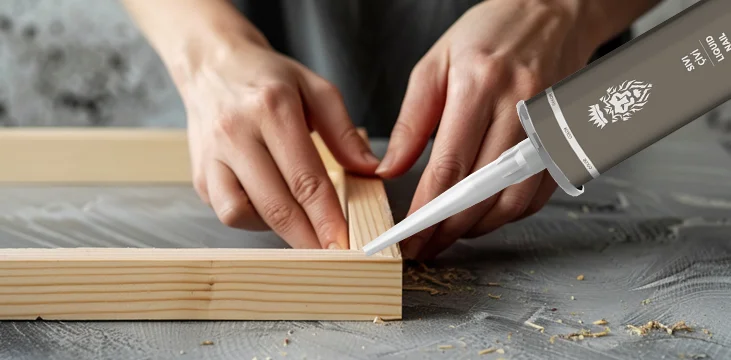
Why Doesn't Liquid Nail Stick? The Most Common Mistakes and Solutions
Liquid nail is known for its strong and fast adhesion, but sometimes it doesn't deliver the expected result, and the pieces may become loose. This is often due to application errors or insufficient surface preparation. In this article, we will examine in detail the most common mistakes that cause liquid nail to fail, their solutions, and tips for successful adhesion.
The Main Causes of Liquid Nail Holding Problems
The main reasons why liquid nails fail to take are usually related to surface preparation, environmental conditions, and application errors. Here are the most common problems:
Deficiencies in Surface Preparation
- Dirty or oily surface: Dust, oil, and dirt will prevent the adhesive from adhering to the surface. Ensuring a clean and dry surface is crucial.
- Smooth or very glossy surface: Adhesion speed decreases on slippery surfaces. Roughening the surface with light sandpaper increases adhesion.
- Moisture or water residue: Especially in outdoor applications, adhesion is weakened if there is moisture or water on the surface.
Application Errors
- Thick or uneven application: Using too much adhesive prevents the inside from drying properly and prolongs the drying time.
- Failure to hold the parts securely: Moving the parts before the holding time is complete will lead to weak adhesion.
- Incorrect application angle: The adhesive may sag if no support is used on vertical or inclined surfaces.
Environmental Factors
- Low temperature: Chemical reactions slow down in cold environments, prolonging holding and curing times.
- High humidity: Humidity is advantageous for some types of liquid nails, but excessive humidity can weaken adhesion due to water accumulating on the surface.
- Wind or dust: In outdoor applications, wind and dust can negatively affect surface contact.
Reasons for Failure to Adhere Based on Surface Type
- Wood: Very dry or dirty wood surfaces will reduce adhesion. Light sanding and cleaning are necessary.
- Metal: Adhesion problems are common on oily and shiny metal surfaces. Cleaning and roughening are required.
- Ceramics and tiles: Initial adhesion may be delayed on damp or slippery surfaces; it is necessary to wait with a stable support.
- Plastics: Some types of plastics have poor adhesion; sanding and proper surface preparation are essential.
- Concrete and brick: Porous surfaces absorb adhesive; care must be taken to apply the correct amount and maintain consistency.
Tips for Successful Adhesion
- Clean the surface, completely removing all dust, dirt, and grease.
- Apply light sandpaper to smooth surfaces.
- Determine the appropriate quantity by testing the parts before application.
- After assembling the parts, hold them steady and use short-term support.
- Considering the ambient conditions, try to maintain ideal temperature and humidity levels.
Conclusion
Liquid nail adhesion problems are often caused by simple application errors or insufficient surface preparation. Clean, dry surfaces, the correct amount of application, and patient waiting ensure a lasting and durable adhesion. By following this guide, you can safely use liquid nail on any surface.
The information in this text may vary from time to time depending on the manufacturer. Always check the product label.


