


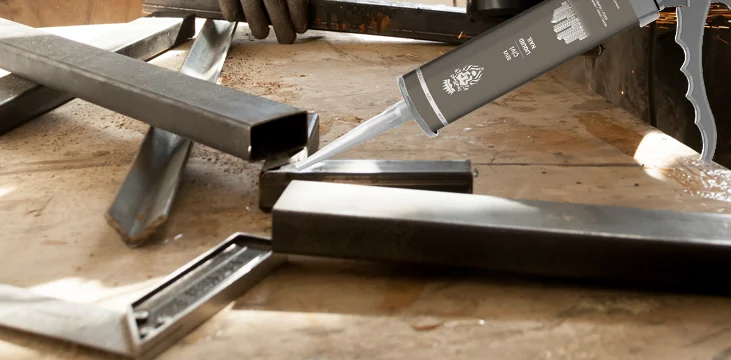
Can Liquid Nails Be Used Outdoors? Durability Guide
Liquid nails provide quick and practical bonding indoors, and are also frequently preferred for outdoor applications. However, if outdoor conditions, product durability, and application technique are not properly understood, the bonding success rate may decrease. This article provides detailed information on the outdoor use and durability of liquid nails .
Outdoor Conditions and Liquid Nails
In outdoor applications, factors such as temperature variations, rain, wind, and sunlight affect adhesion performance. When used with the correct surface and technique, liquid nails can be safely used in many outdoor applications.
Pay attention to the weather conditions.
- Temperature and humidity affect adhesion time. Performance may vary in very cold or extremely hot weather.
- Rain and damp surfaces make adhesion difficult; the surface must be dry before application.
- Wind and sunlight can accelerate the drying process or cause material to shift.
Surface Preparation
Surface preparation becomes even more critical when applying adhesives outdoors. A clean and rough surface ensures maximum product performance.
- Remove dirt, dust, and old sticky residue.
- Apply light sandpaper to roughen wood, metal, or stone surfaces.
- Do not apply to damp surfaces; allow to dry completely.
Application Techniques
Proper application techniques must be followed for the use of liquid nails outdoors:
Correct Amount and Line Application
- Apply in thin, parallel lines to prevent material from overflowing.
- Align the parts and press them down to secure them.
- On large surfaces, cover the entire area with several parallel lines.
Fixing and Drying Time
- Drying time outdoors may vary depending on ambient conditions.
- Do not apply any load to the assembly before it is complete, and do not allow any parts to move.
- Secure the parts using temporary clips or weights if necessary.
Durability and Performance
- Liquid nails are suitable for light to medium weight outdoor installations.
- Additional mechanical support is recommended for applications requiring heavy loads or continuous stress.
- UV rays and moisture can affect adhesion over time; protective measures can be taken.
- After the curing process is complete, loading ensures maximum adhesion strength.
Conclusion
Using liquid nails outdoors is quite safe with proper surface preparation and application techniques. Ideal for light to medium loads, this method provides long-lasting and durable adhesion when attention is paid to fastening and drying times. Liquid nails offer a quick and practical solution for outdoor projects.
The information in this text may vary from time to time depending on the manufacturer. Always check the product label.


